VCA DESIGN & PRODUCTION
GRADUATE SHOWCASE
GRADUATE SHOWCASE

A glitchy video montage showing various animated versions of a yellow dog on flickering screens, ending with a Windows-style deletion pop-up and red error visuals.
Roger’s Afterlife reimagines the afterlife of digital companions—once comforting presences of early operating systems—through an augmented reality environment set in a post-apocalyptic, nature-reclaimed world. The project explores the haunting persistence of machine memory and the blurred boundaries between human, machine, and ecological systems. Users encounter fragmented remnants of Roger, wandering through decayed architectures where code and foliage intertwine.
Roger roaming in Windowx XP
Posters: Roger's After Life
Poster from Roger’s Afterlife. Each iteration visualizes the project’s world — a nostalgic and decaying digital ecosystem where fragments of Roger persist in loops of memory and error.
Roger
Final AR environment from Roger’s Afterlife, where multiple Rogers wander within a fog-filled, overgrown digital ruin — a liminal space between machine and nature.
Early Unity scene setup integrating environment lighting, fog simulation, and volumetric atmosphere for the AR environment.
Unity editor interface showing lighting settings and a foggy digital environment with greenish lighting.
A physical card featuring an iconic Windows XP companion - Roger - as an AR image tracker leading to interactive 3D scenes.
Project Background
Roger’s Afterlife stems from an inquiry into the relationship between memory, technology, and decay. Inspired by obsolete digital companions from Windows XP and Donna Haraway’s cyborg discourse, the work speculates on what remains when digital systems outlive their human users. Through AR, the project constructs a world where nature reclaims machine ruins—forests growing through interfaces, brutalist architectures dissolved in moss and fog. Each Roger is a ghost of a different dataset, generated through iterative AI image synthesis, representing digital reincarnations. By navigating this fragmented landscape, the user becomes both archaeologist and witness, tracing the echoes of a network long gone.
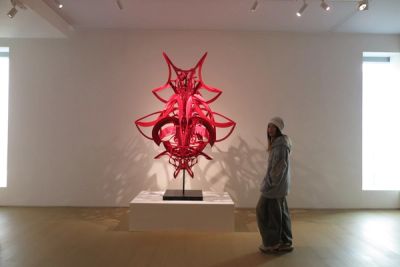
Thea is a Hong Kong–based designer currently on exchange at the VCA. Her practice explores the intersections between human-interactions, technology, and storytelling, often blending digital tools like AR, AI, and parametric modelling with narrative and conceptual thinking. Her projects range from biomaterial experiments to interactive digital experiences, reflecting a curiosity for how technology can be poetic, critical, and human at the same time.